Address data looks simple until it isn’t.
One typo can delay a shipment, send a statement to the wrong place, or quietly break an entire downstream workflow. That’s why address validation matters: it’s not just about formatting addresses correctly; it’s about making sure the business can trust the data it uses every day.
Most teams think of address validation as a checkout step or a shipping fix. In reality, it plays a much bigger role across operations, compliance, customer communication, and data quality. When companies validate addresses at the point of entry, they avoid a long list of problems that usually show up later as wasted time, added cost, and frustrated customers.
Here are seven practical ways address validation shows up in real business workflows.
1. Preventing bad data from entering the system.
The easiest way to clean address data is to stop bad addresses from getting in.
When validation happens at intake, teams avoid duplicate records, incomplete fields, misspellings, and formatting issues that can ripple through CRMs, mailing systems, and reporting tools. That matters because once an incorrect address gets into a system, it often gets copied, synced, exported, and reused before anyone notices.
This is one of those problems that seems small in the moment and expensive later. A single bad address can become multiple bad records across connected systems.
2. Improving mail delivery accuracy.
Mail is still a core part of many business operations, especially for invoices, statements, notices, and customer communications.
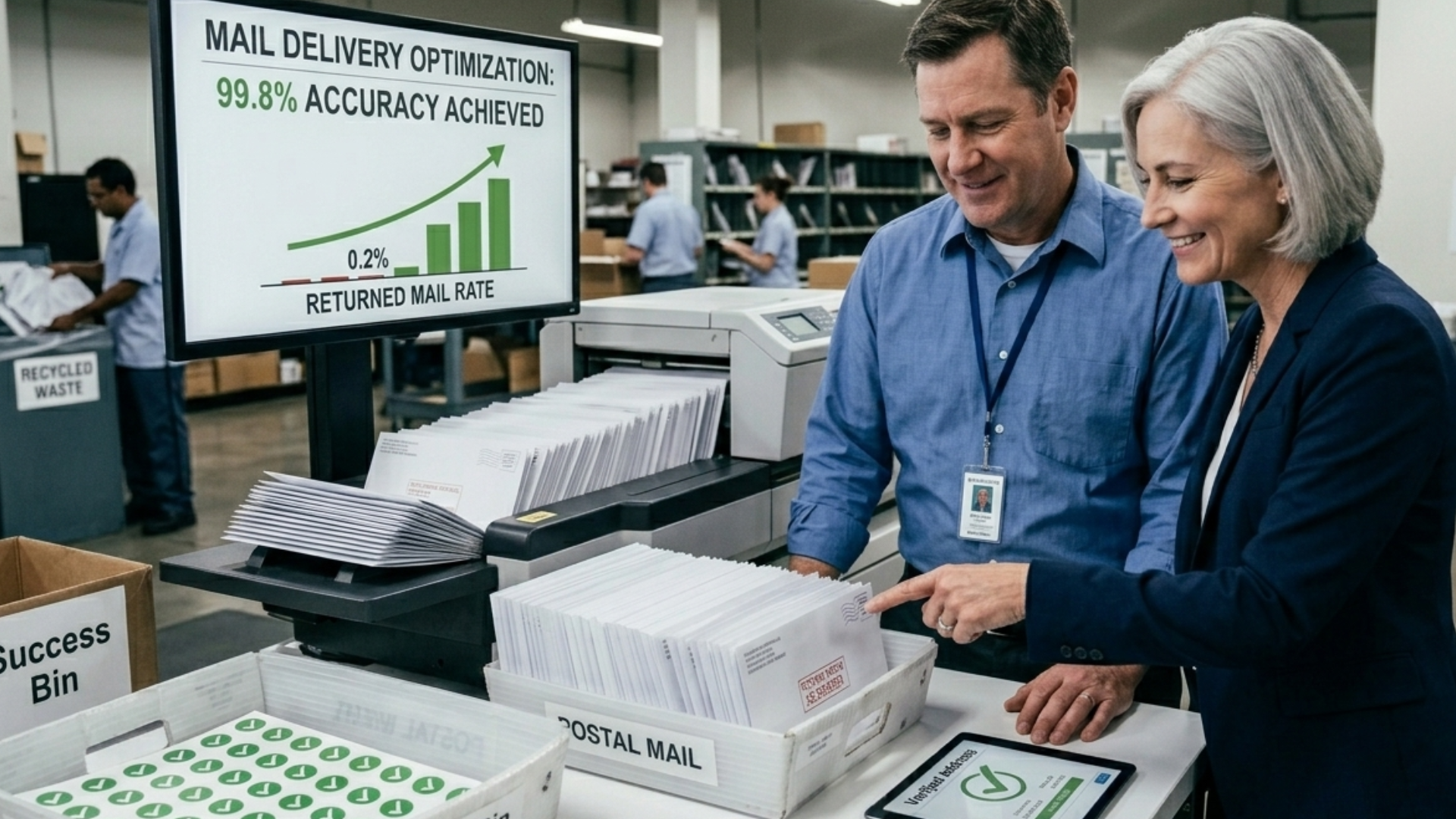
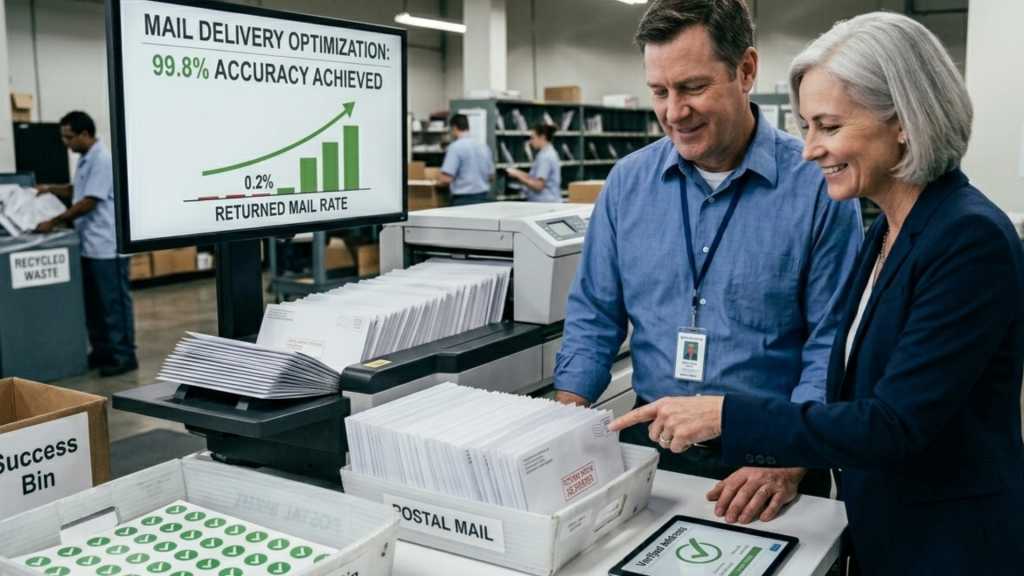
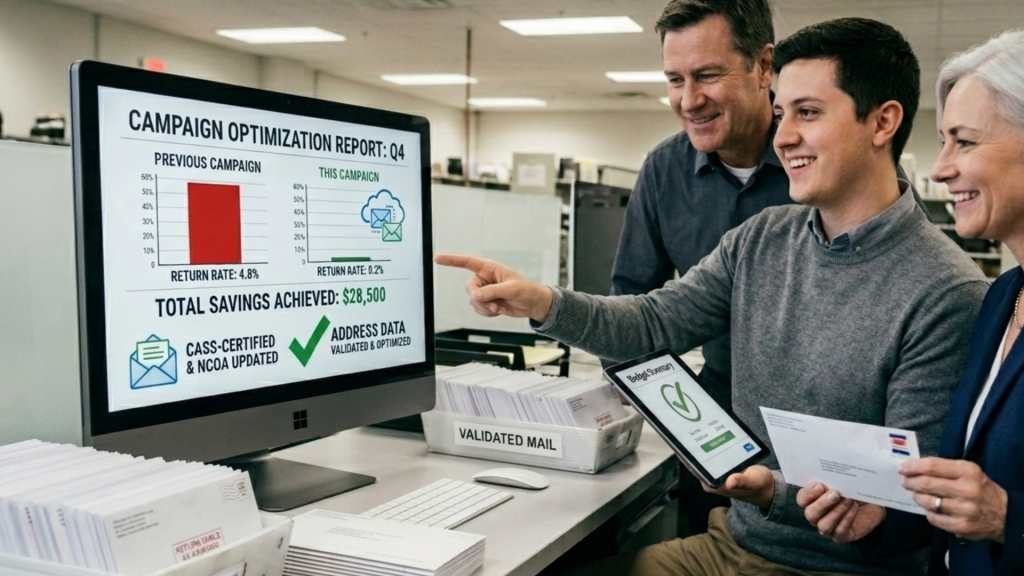
If an address is wrong, the result is usually predictable: returned mail, delayed delivery, extra postage, and more staff work. Address validation reduces those failures by making sure the address is deliverable before anything gets printed or mailed.
For organizations that rely on high-volume mailing, even a small error rate can become a major operational cost. That’s why validation is often less about convenience and more about preventing avoidable waste.
3. Reducing customer service friction.
Few things create unnecessary support tickets faster than an address problem.
Customers call when a package doesn’t arrive, a statement goes missing, or a replacement shipment needs to be resent. In many cases, the issue traces back to a simple address error that should have been caught earlier.
Address validation helps reduce that friction by catching problems before they affect the customer. The result is fewer complaints, fewer manual corrections, and a smoother experience overall.
4. Supporting fraud prevention.
Not every invalid address is a typo.
Sometimes, fake or incomplete addresses are used to test systems, create fake accounts, or mask suspicious activity. That makes address validation a useful layer in fraud prevention, especially in industries where identity and location matter.
Validation doesn’t stop fraud on its own, but it can flag patterns that deserve a closer look. When an address can’t be confirmed or doesn’t align with other customer data, that’s a signal worth paying attention to.
5. Strengthening compliance workflows.

In regulated industries, address accuracy is more than an operational issue.
Banks, insurers, healthcare organizations, and government-related entities often depend on reliable address data for identity verification, recordkeeping, and official communications. If address data is incomplete or incorrect, it can create compliance risk and delay critical processes.
Validation helps reduce that exposure by making customer records more dependable from the start. It also cleans up audit trails, which is a quiet but important benefit when teams need to explain how data was collected and used.
6. Improving data matching and duplicate detection.
Address validation is also a data management tool.
When addresses are standardized, it becomes much easier to match records across systems, identify duplicates, and maintain cleaner customer profiles. Without validation, the same person might appear under multiple slightly different address formats, which makes reporting and segmentation less reliable.
That kind of inconsistency can frustrate every team that depends on accurate records. Marketing sees distorted audience data, operations sees mismatched records, and finance sees exceptions that shouldn’t exist.
7. Making downstream automation work better.
Automation is only as good as the data feeding it.
If a workflow depends on a correct address to trigger a mailing, update a record, or route a case, then validation becomes part of the automation logic, not just a front-end check. Poor address data can cause automation to fail silently or send tasks down the wrong path.
That’s why address validation is often a hidden dependency in larger workflow systems. It keeps downstream processes cleaner, faster, and more reliable because the workflow starts with something it can trust.
Why It Matters Now?
Address validation doesn’t usually get attention until something goes wrong. A returned package, a failed mail campaign, a corrupted record, or a customer complaint is often what exposes the problem.
But the real value is quieter than that. It’s in the reduction of manual fixes, the improvement in data quality, and the way it keeps other systems from wasting time on bad inputs.
That’s why address validation belongs in more places than just checkout forms. It belongs wherever address data affects delivery, communication, compliance, or automation.
Final Thought
Address validation is one of those things that seems minor until you look at the cost of not doing it.
It protects deliverability, reduces rework, supports compliance, improves data quality, and makes automation more dependable. In other words, it’s not just about verifying an address; it’s about keeping business operations from getting derailed by bad data.