Where does the Breakdown Happen?
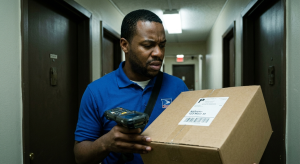
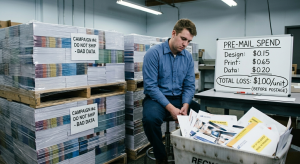
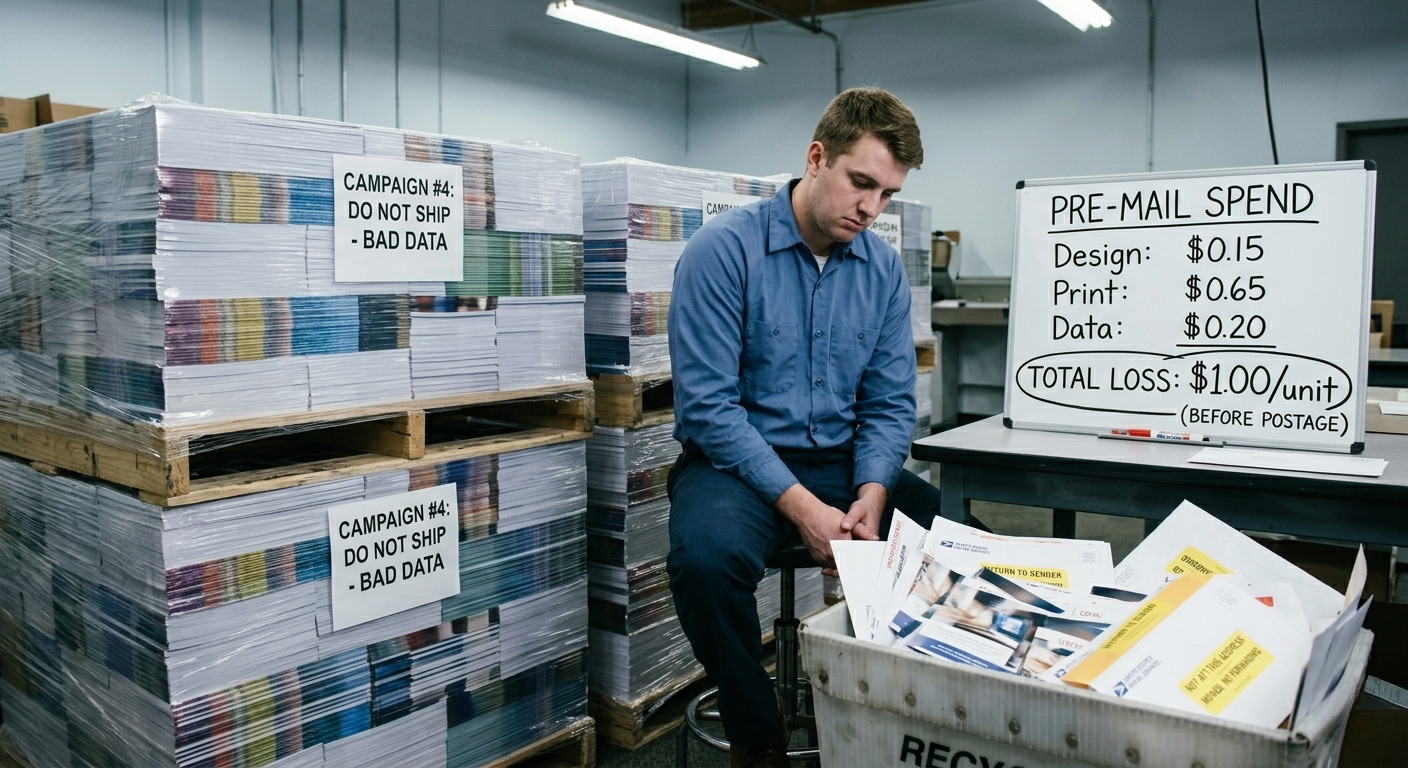
The weak spot is usually not one dramatic failure. It’s the accumulation of small ones: misspelled streets, old apartment formats, duplicate contacts across systems, and records that were never standardized the same way twice. Once a file moves through multiple platforms, those little inconsistencies turn into undeliverable mail, wasted postage, and reporting that no one fully trusts.
What does a Reliable Process Looks Like?
Why Data Suppression Matters?
Why does it Matter to Operations?
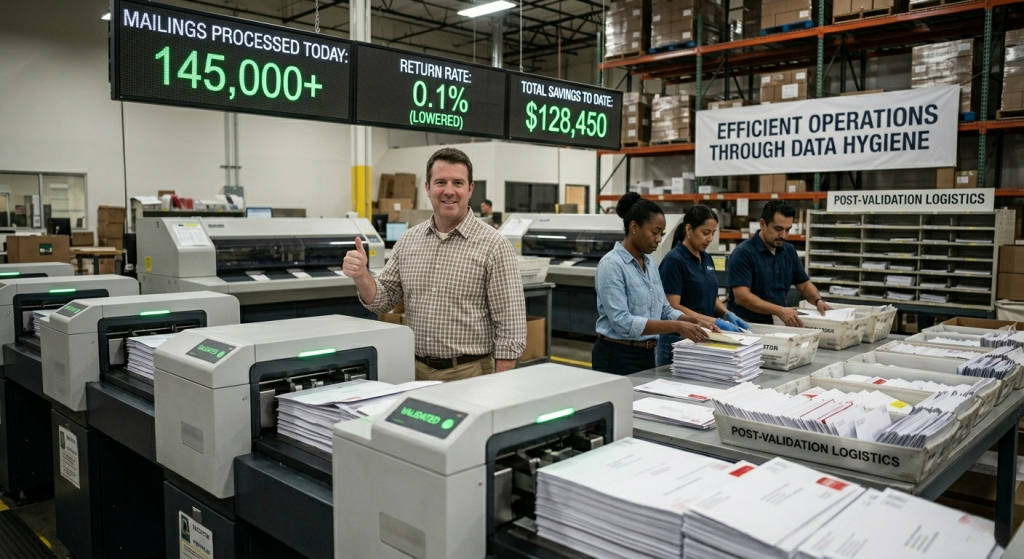
That’s the real test: can your workflow keep working when the list changes, the source systems multiply, and the deadline doesn’t move? If the answer is no, the issue isn’t the channel; it’s the foundation underneath it. That foundation is usually where teams underinvest, especially when they assume a single cleanup job will protect them for the rest of the year.
The Hidden Cost of Duplicates and Drift
Duplicates are especially deceptive because they can look harmless at first. One extra record here, one repeated household there; that does not seem like a crisis in isolation. But across a full campaign cycle, duplicates can inflate volume, distort segmentation, and muddle matchback analysis. If the same customer is represented more than once, the campaign is no longer measuring what the team thinks it is measuring.
What do Better Practice Looks Like?
A stronger workflow usually has three layers. First, real-time or near-real-time checks at capture. Second, batch hygiene before segmentation or export. Third, suppression and deduping before mail close. That combination reduces surprises and gives teams a clearer picture of what they’re really sending.
What to Ask Next?
The useful question is not “Did we clean the list?” It’s “How does the list stay clean after the first campaign?” That shift changes everything. It forces teams to think about recurring validation, suppression, deduping, and postal readiness as part of the pipeline, not as a rescue operation at the end.